
Our Journey of Transformation
How decades of insights shaped our innovative approach to sustainable social impact.

Breaking the Cycle of Dependency
Insights accumulated over the years from both the social and corporate sectors highlight a recurring challenge in the design and execution of social initiatives—namely, the lack of an embedded strategy for long-term sustainability from the outset.
Consequently, the impact of such programs tends to be confined to the duration of external support. Once this support is withdrawn, the positive outcomes often diminish, and the beneficiary communities frequently revert to their pre-intervention conditions.
In the face of growing economic uncertainties and rapidly evolving technological landscapes, livelihoods-based social initiatives continue to focus largely on the production of goods with little market potential to generate income within marginalized communities.
In the face of growing economic uncertainties and rapidly evolving technological landscapes, livelihoods-based social initiatives continue to focus largely on the production of goods with little market potential to generate income within marginalized communities.
Moreover, the absence of sustainable, long-term market linkage models — coupled with weak marketing strategies and limited access to markets — undermine the viability and long-term impact of these efforts. Without robust ecosystems that adapt to emerging economic trends and consumer behaviours, such initiatives struggle to sustain themselves.
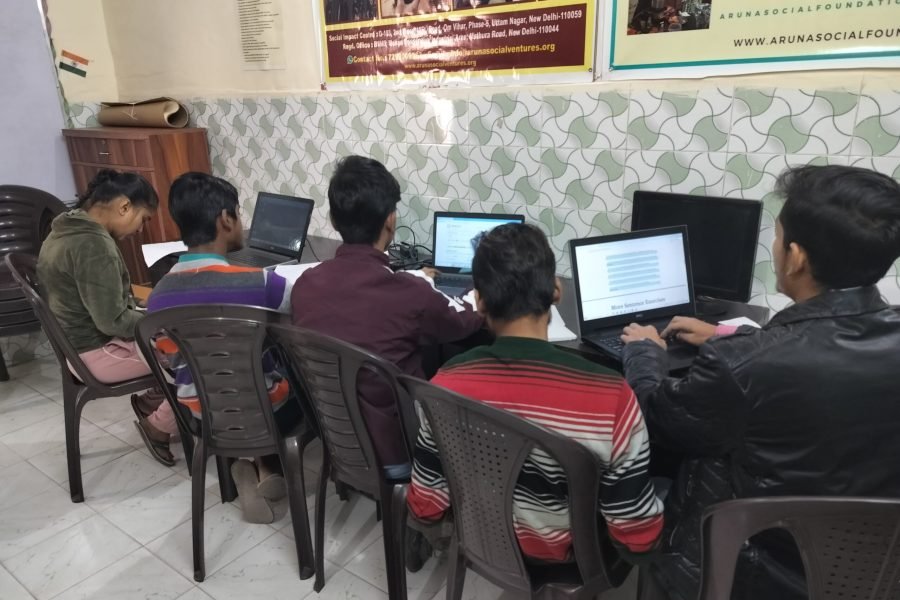
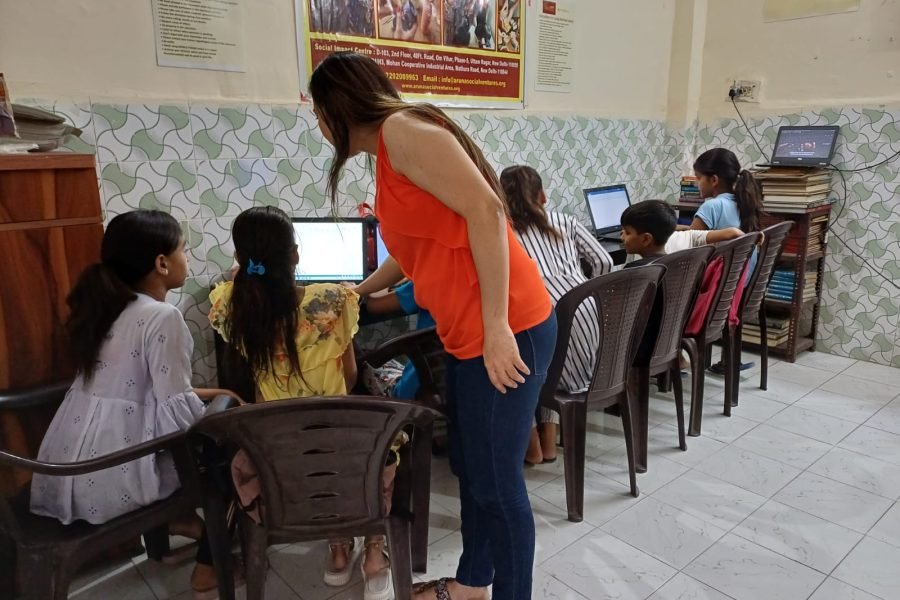
Digital Awareness Gap
Market Linkage Gap
While many programs focus on skill development and production capabilities, they often overlook the importance of connecting these enterprises to consistent and demand-driven markets. As a result, entrepreneurs are left producing goods with limited market relevance or without the support needed to access broader consumer networks. This disconnect leads to low sales, stagnant income, and an inability to scale. Closing this gap is essential to ensure that entrepreneurship becomes a viable pathway to economic mobility and community resilience.
Ecosystem Challenges
The lack of ecosystem support limits access to knowledge exchange, collaborative opportunities, and collective bargaining power—factors that are critical for enterprise resilience. In the absence of such interconnected systems, micro-enterprises remain vulnerable, unable to scale or sustain their impact. Fostering a thriving local entrepreneurial ecosystem is essential to building momentum, generating community-level economic activity, and enabling long-term success.
The Empowerment Paradox
73%
of women in programs revert to previous conditions after intervention ends
60%
lack access to ongoing mentorship after initial training
85%
report low confidence in competing in tech-driven markets
Many interventions aimed at women’s empowerment fall short of delivering lasting change. Without meaningful economic empowerment, women from disadvantaged backgrounds often remain trapped in cycles of dependency and vulnerability, unable to break free from exploitative social structures.
“Entrepreneurship programs designed to promote women’s economic independence often stop at one-time skill-building workshops, with little or no follow-up support. Women from underserved communities typically lack access to essential resources, digital tools, managerial guidance, and a supportive network—factors critical to navigating the complexities of today’s dynamic economy.”
In addition, low self-confidence, limited awareness, and hesitation in engaging with unfamiliar individuals inhibit many from scaling their enterprises or even taking the first step towards entrepreneurship.
Our Transformative Approach
To create truly transformative change, empowerment initiatives must not only equip women and youth with skills but also prepare them to adapt to changing market conditions, embrace digital tools, and tap into emerging livelihood opportunities with confidence and resilience.